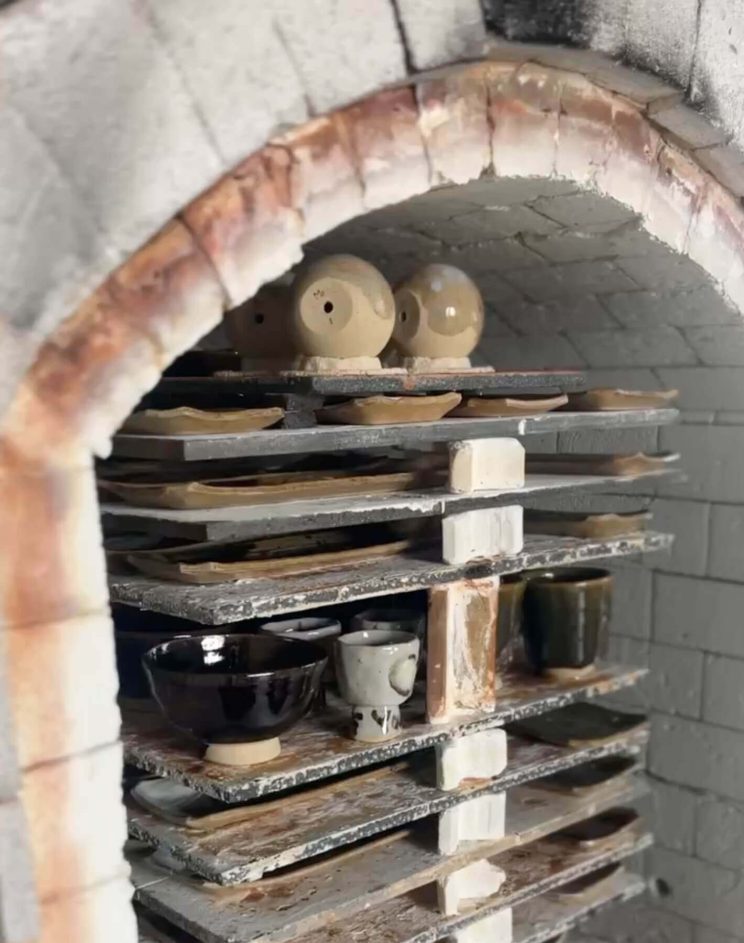
Trace - Chapter One
Seto, Japan
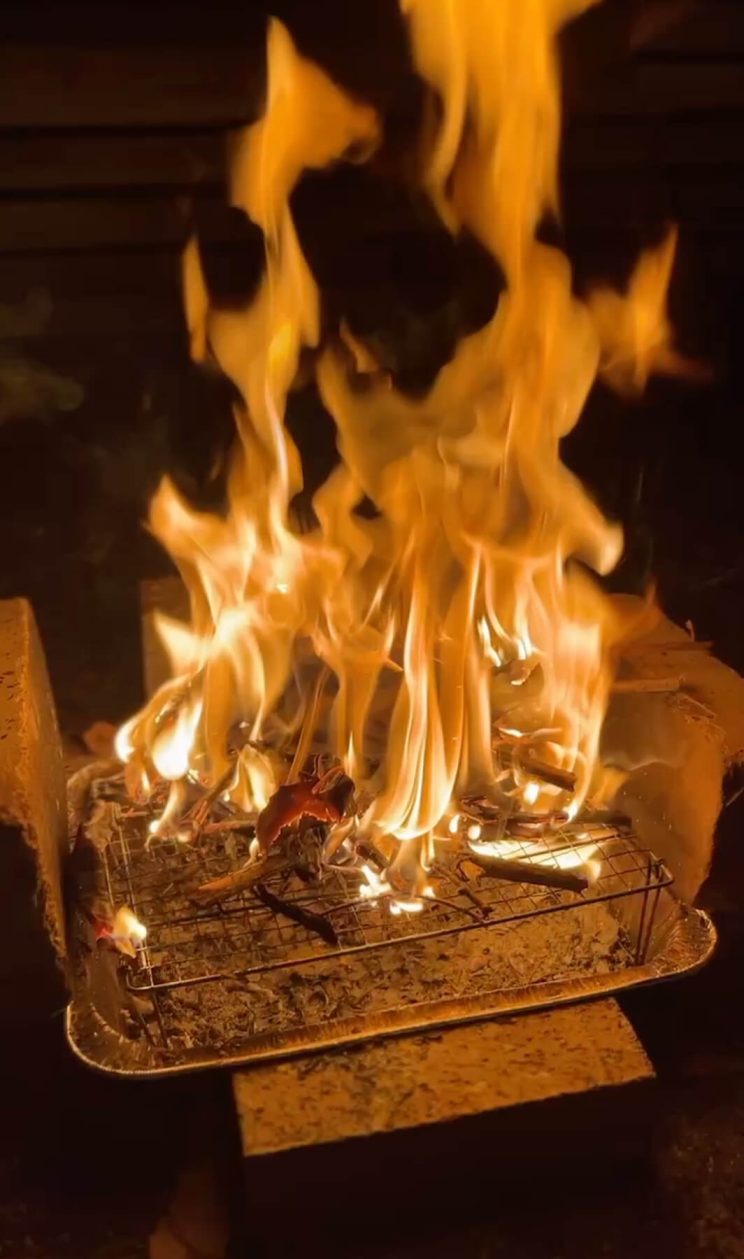
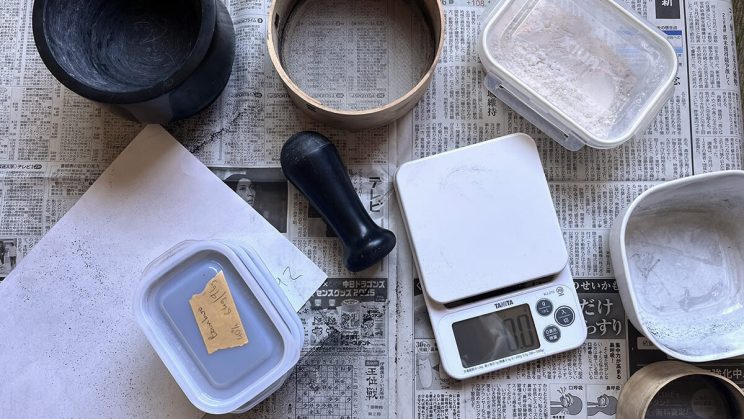
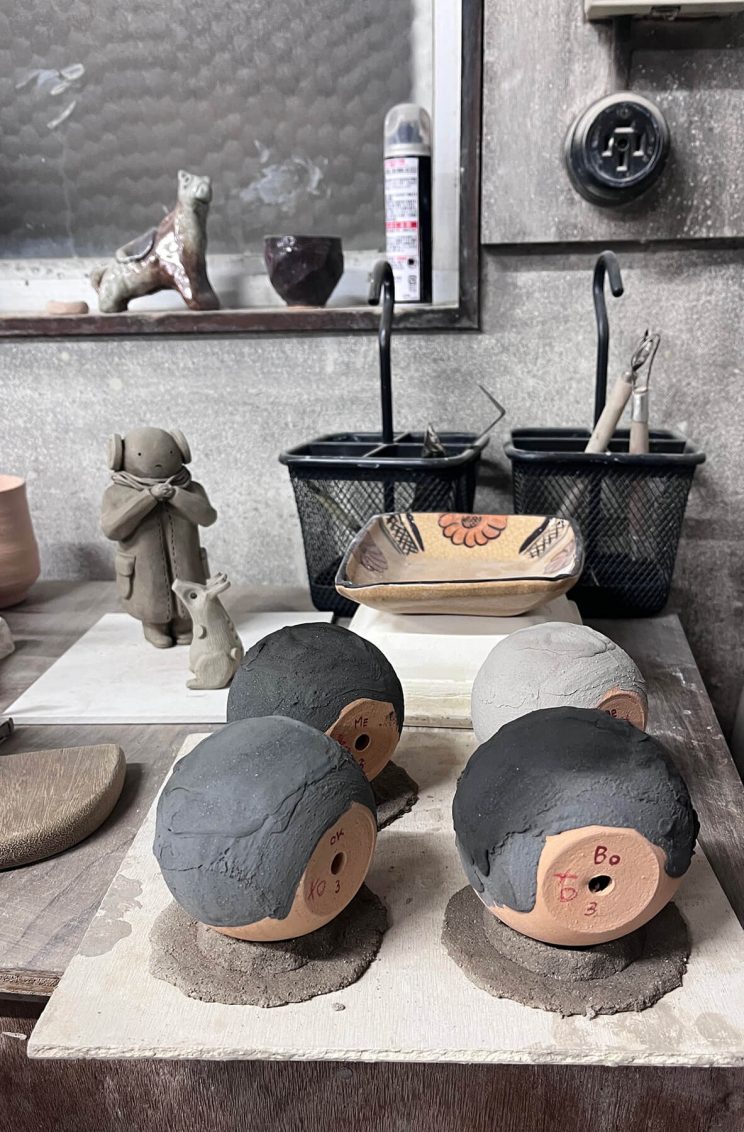
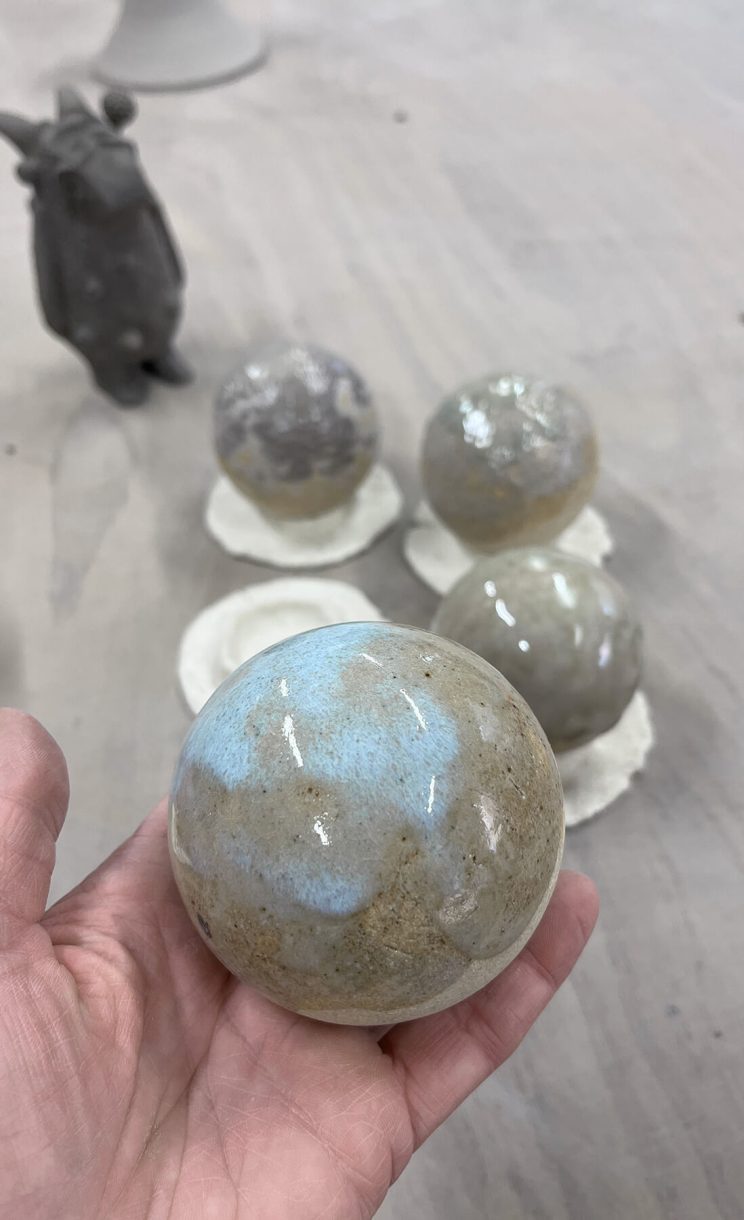
Trace is a long-term research practice that encodes the chemical memory of places into ceramic surfaces. Each chapter begins with collecting native plants specific to the region. Native plants are chosen deliberately. Rooted in one place, they absorb the water, minerals, and trace elements of that specific environment over time, building a chemical profile that is distinct to where they grow. Ash is made under controlled conditions from the collected material. When applied as glaze, the plant signature becomes visible in the fired surface. Different plants from the same landscape produce different results. The surface is not designed for beauty. It is a portrait of the plant, its chemistry made visible in fire. Each piece holds a record of a specific plant, from a specific place, at a specific moment.
Preserving what a place holds, chemical memory fixed in fire.

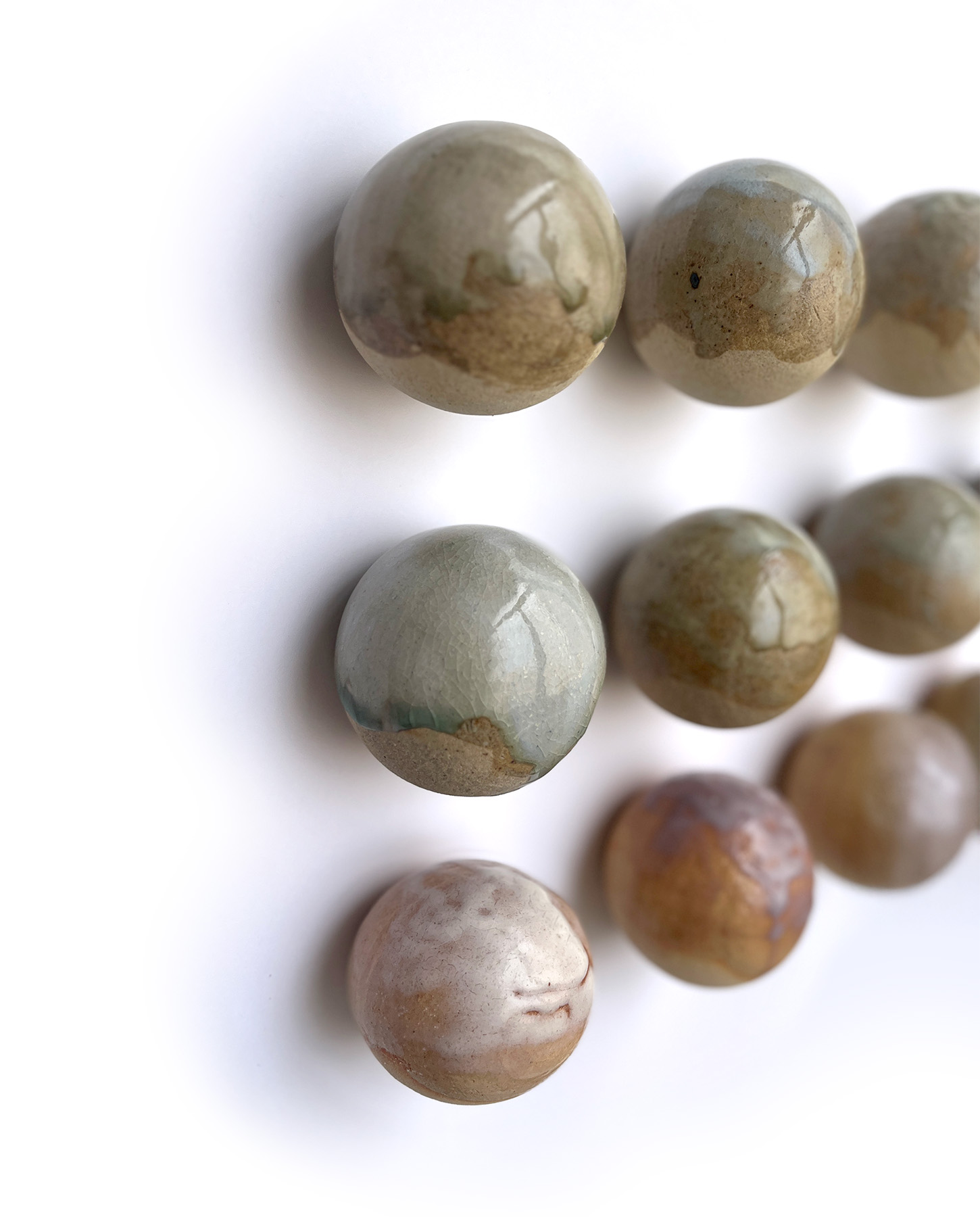
Representing the Region
Seto has a ceramic history stretching back over a thousand years. The four plants chosen for this chapter are all prolific in the region. Pine and oak have a long history in Japanese ash glaze practice, used by potters in the area for centuries. Bamboo and maple, not traditional glaze materials but are abundant in the local landscape. The plants were collected from the forest surrounding the studio where I did my apprenticeship (2026). Woodland that in Japanese tradition sits within the satoyama, the borderland between the human world and the mountain, where kami, the spirits of nature live.
The human world ends and the mountain begins, and the spirits of nature live between.
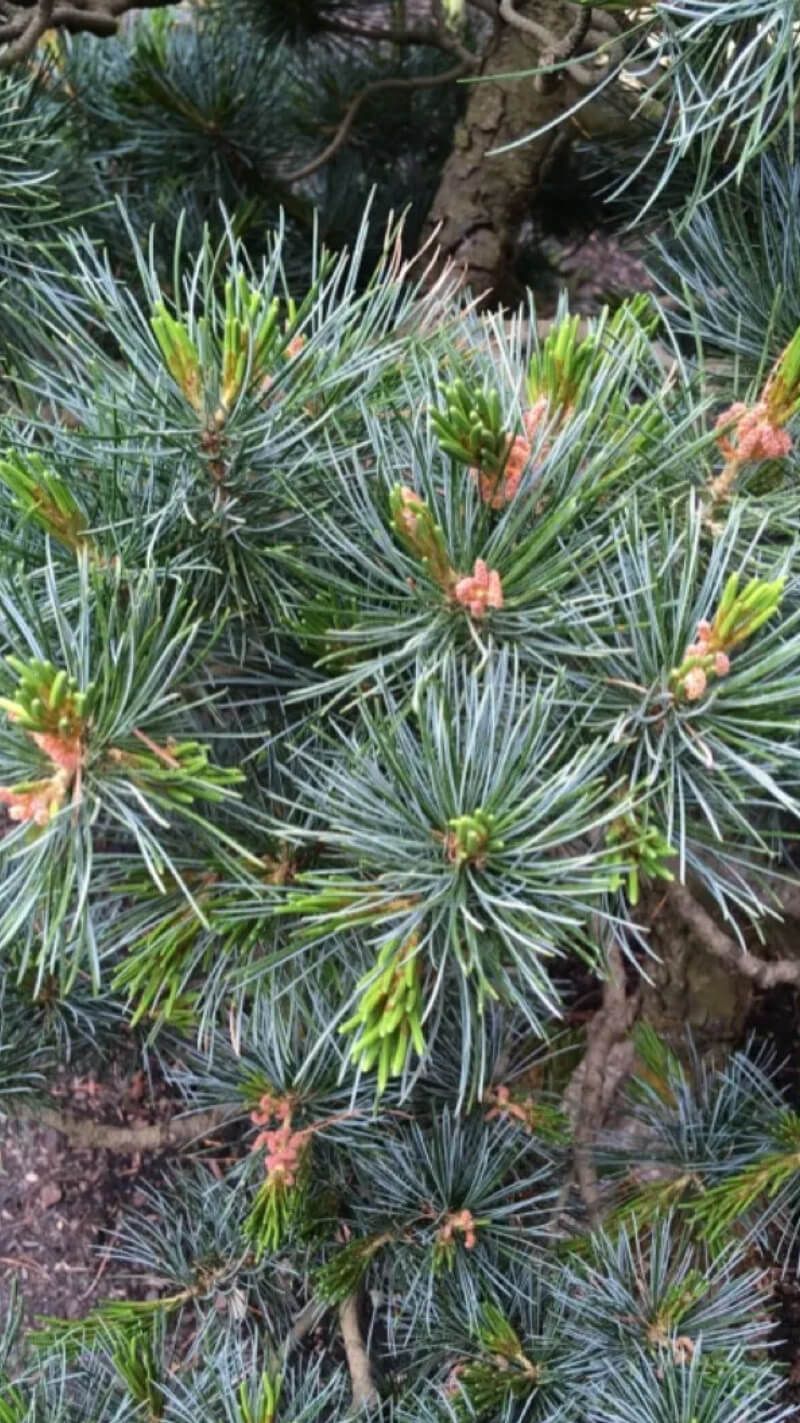
Pine, Matsu
松 Pinus densiflora
Prolific across the region and has been used in ash glazes for centuries. It concentrates silica in its needles, giving it the highest silica content of the selected, along with calcium and potassium drawn from the acidic soils of the Seto hills.

Oak, Konara
コナラ Quercus serrata
A defining tree of the Seto hillside, common throughout the satoyama woodland. Deciduous and deep-rooted, it accumulates calcium, potassium, and iron from the granite-based acidic soils, with higher iron content than most deciduous trees due to tannin production for its acorns.

Japanese Maple, Momiji
紅葉 Acer palmatum
Abundant in the satoyama woodland, its autumn colour a product of active iron and manganese metabolism. It has the highest iron and manganese content of the four species, concentrated in the leaves as part of its seasonal chemistry.

Bamboo, Take
竹 Phyllostachys sp.
Grows densely in the moist lower woodland surrounding the studio. It bio-accumulates silica in its cell walls far beyond the other three species, with minimal iron or heavy metals. Its chemical profile is almost entirely silica and potassium.